What we rebuild
Main bathrooms, ensuites, small bathrooms and powder rooms, accessible bathrooms, laundries, and the waterproofing and tiling that sit underneath all of them. Plus hard-wearing bathrooms for rentals, duplex halves and granny flats. We do not do kitchens and we do not do extensions.
Houses built for four, lived in by seven
The belt of suburbs running south and west from the Hume Highway filled in between the late 1940s and the early 1970s. Returned-servicemen's estates, then private subdivisions, then the last of the fibro-and-tile infill. The result is a very consistent kind of house: single storey, brick or brick veneer with a tiled hip roof, three bedrooms, sitting on a block wide enough that nobody had to think hard about where the clothesline went.
The bathroom in that house follows a pattern you can almost draw from the street:
- Roughly 1.7 by 2.2 metres, at the back of the house or off a short hallway
- A pressed-steel bath against the longest wall, with a shower over it
- A separate toilet through its own door, often with no basin in it
- Wall tiles to about 1.4 metres in cream, mint, pink or a glossy mottled beige
- A small window high on the external wall, and no exhaust fan
- A laundry either in a back room or on an enclosed verandah, with a concrete trough
What has changed is who lives there. Across Canterbury-Bankstown a large share of households are multi-generational — grandparents, parents and children under one roof, often with a Vietnamese, Lebanese or Chinese-Australian family at the centre of it. A bathroom planned for a family of four and a Saturday-night bath routine now carries three generations getting to work, school and prayer on the same morning.
That is the brief we get most often. Not "make it look like a magazine" — make it hold up to seven people a day.
The four jobs that come up most
Opening the two rooms into one. Taking out the wall between the bathroom and the separate toilet is the single biggest change available in these houses. You end up with one room that can fit a proper shower, a vanity with drawers and the toilet, instead of two rooms that each do one thing badly.
Adding a second bathroom. On a wide post-war block there is usually somewhere to put one: the end of a long main bedroom, a built-in robe, an old sleep-out, or the laundry if the laundry can move. A second shower changes a full household more than any other single thing.
A ground-floor bathroom that works for an older parent. Step-free entry, a shower you can sit down in, grab rails fixed into real backing in the wall, and a floor that is not slippery when wet. It is the most common reason people call us about a house they have lived in for thirty years.
Granny flats and duplexes. The bigger blocks here carry secondary dwellings and duplex builds. Those bathrooms get specified differently: durable, easy to clean, quick to turn around, and built so a tenant or a family member can use them for a decade without a callback.
How we price it
A free measure, then a written fixed price. The measure takes about half an hour and covers the things that actually move a quote: whether the floor is a slab or timber over a crawl space, where the sewer and the stack run, whether the shower has been leaking into the wall frame, and what the wall sheeting is made of.
We put rough bands on the price guide so you can plan before anybody visits, and the stage-by-stage sequence so you know which days the room is out of action. If you would rather just read answers, the common questions page covers most of what people ring about.
Two things we will not do
We will not quote off a photo. A bathroom in a 1958 brick house and a bathroom in a 2019 duplex can look identical in a picture and price thousands apart once you know what is behind the tiles.
And we will not invent social proof. This is a new listing. There are no reviews on this site, no star ratings and no project counts, because we have not earned them here yet. Judge us on the measure, the written quote and whether the person who turns up answers your questions properly.
Renovation work is carried out in partnership with Coastal Renovation Group, a licensed NSW builder. Licence and insurance details are provided on request.
What we rebuild
Seven jobs, priced the same careful way
-
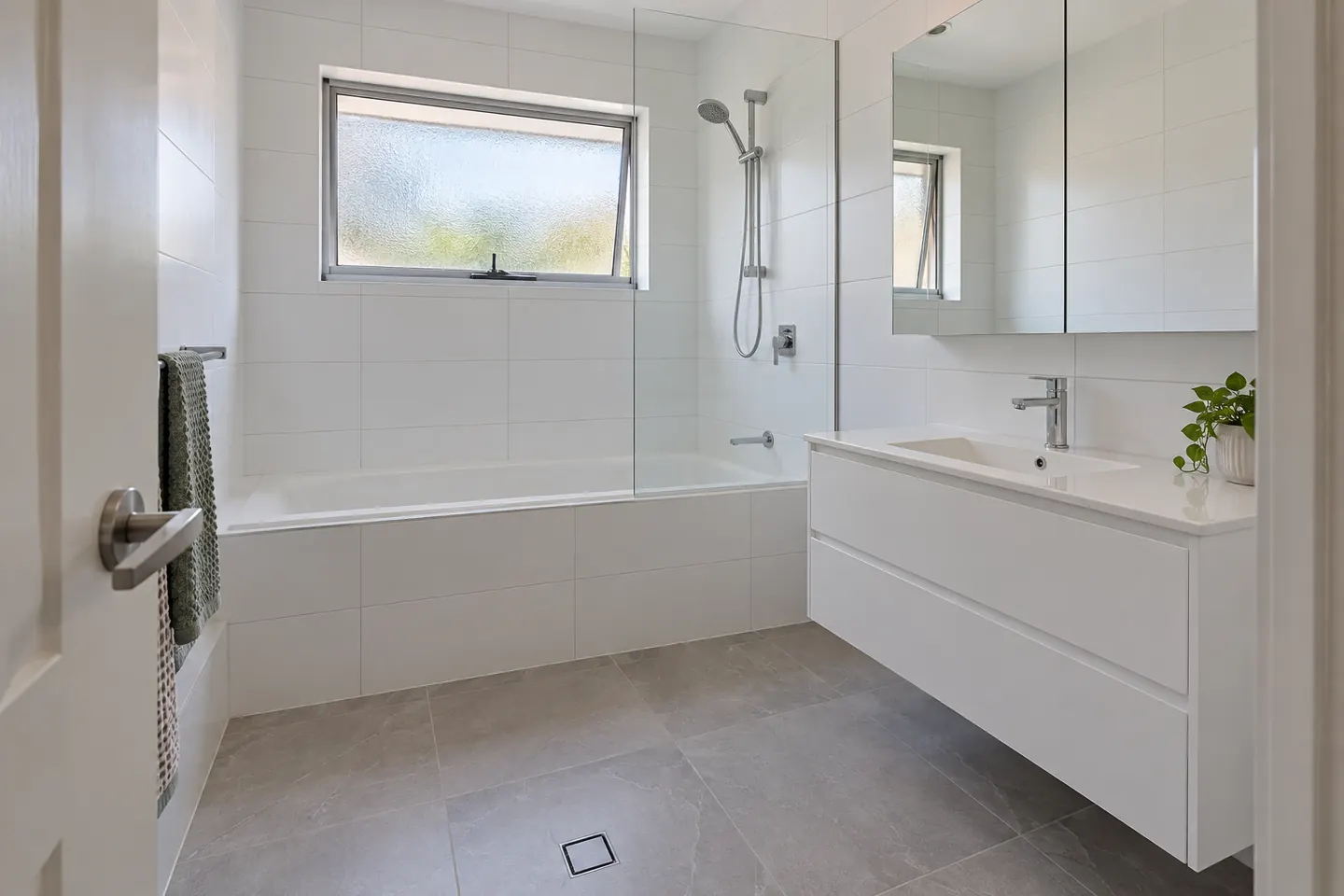
Full Bathroom Renovations
The original bathroom and the separate toilet next to it taken back to brick and rebuilt as one usable room.
See the detail -
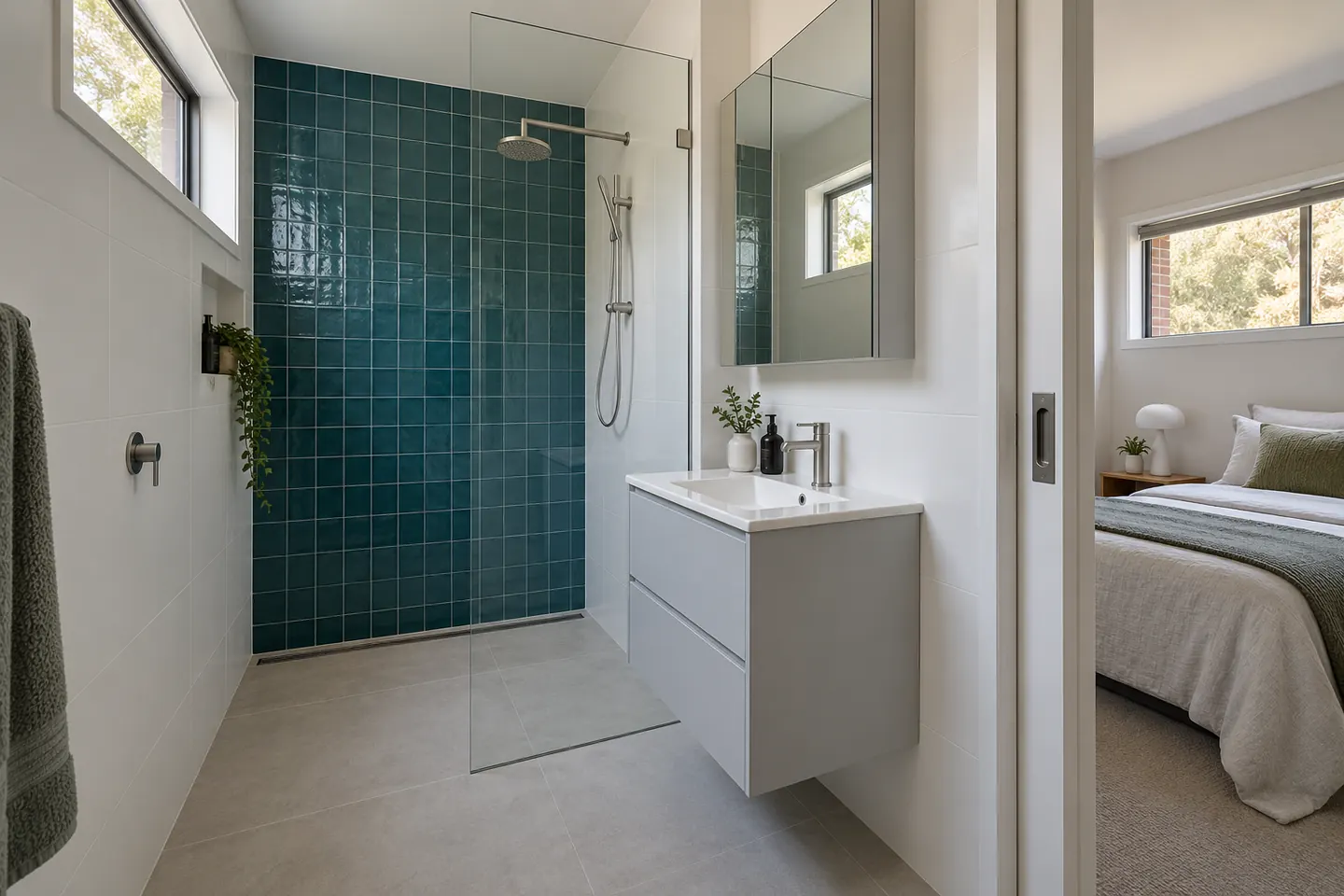
Ensuites
A second shower and toilet carved out of a robe, a sleep-out or the end of a long main bedroom.
See the detail -
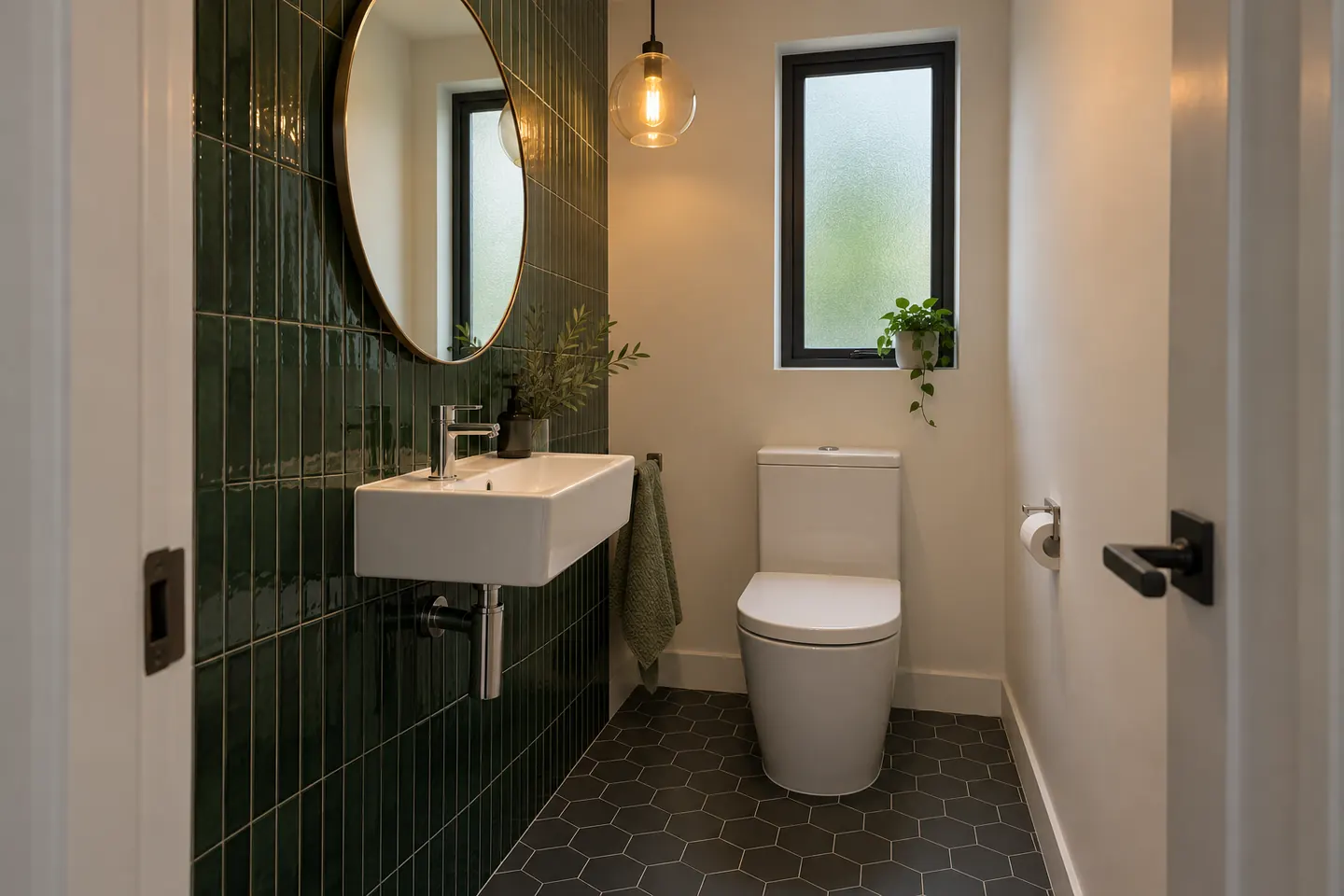
Small Bathrooms
Narrow post-war rooms and tucked-away powder rooms reworked so the floor space finally earns its keep.
See the detail -
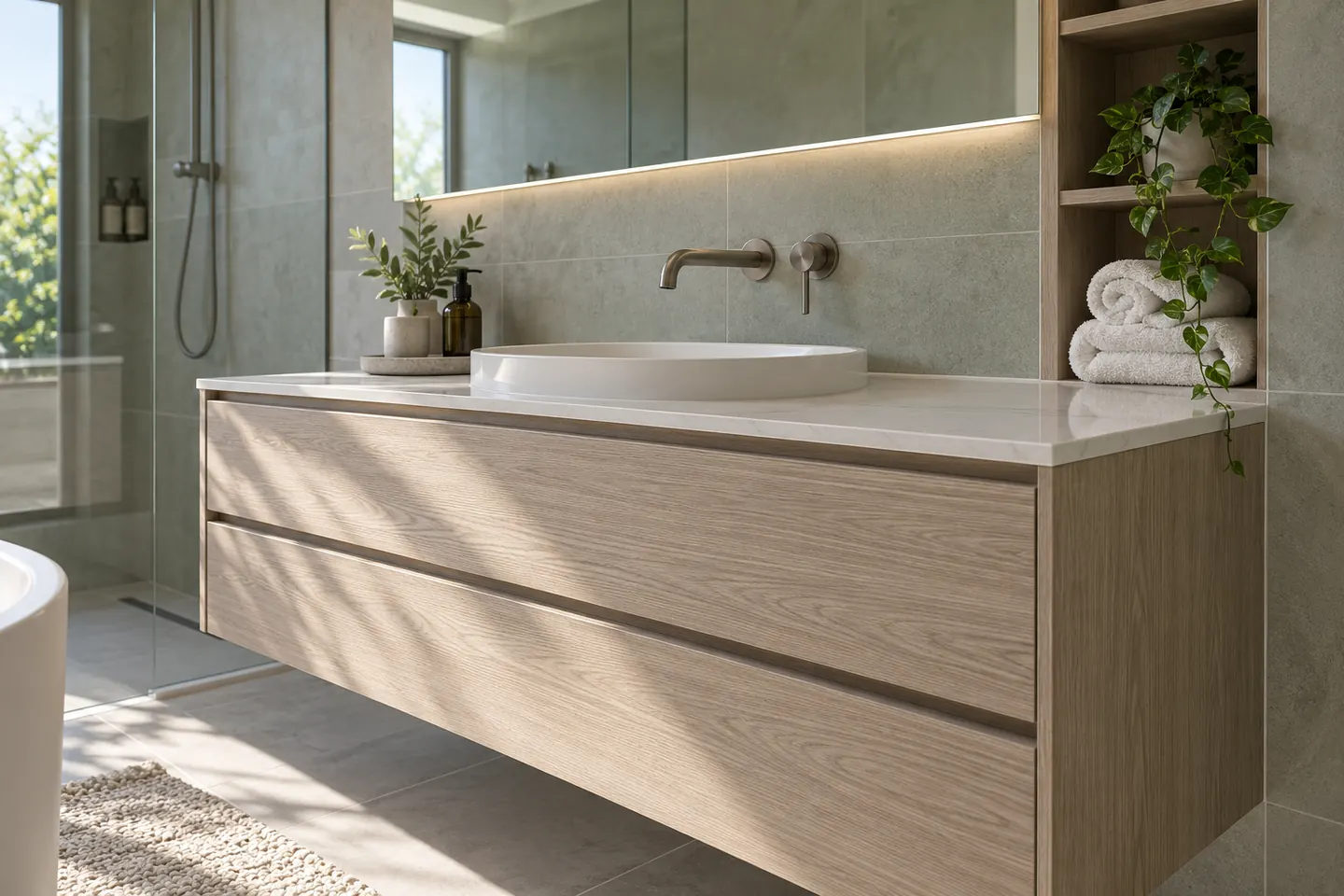
Accessible Bathrooms
Step-free showers, grab rail backing and turning room, for grandparents living in the same house.
See the detail -
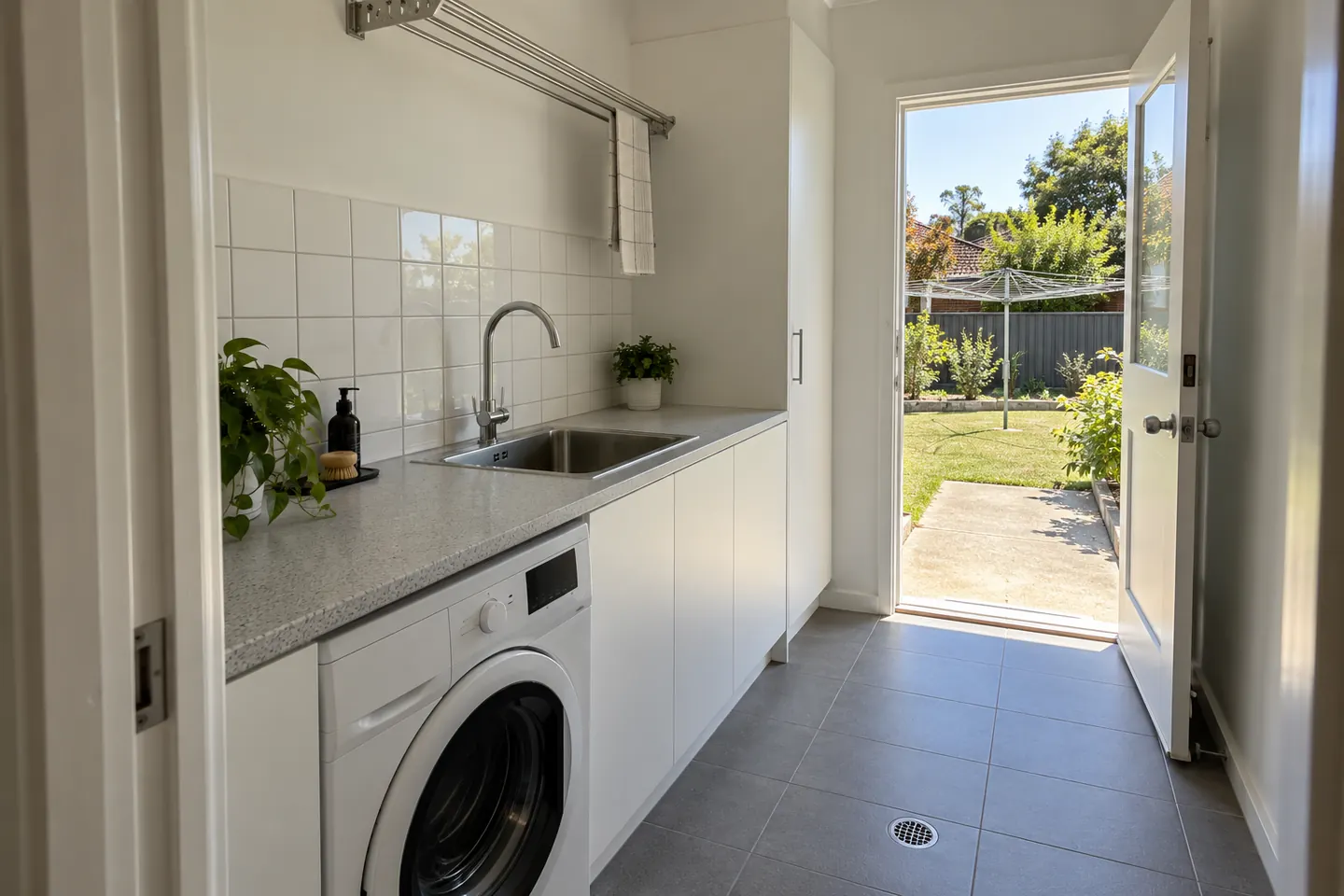
Laundry Renovations
Back-of-house laundries and old back-verandah tubs rebuilt for a household that washes every day.
See the detail -
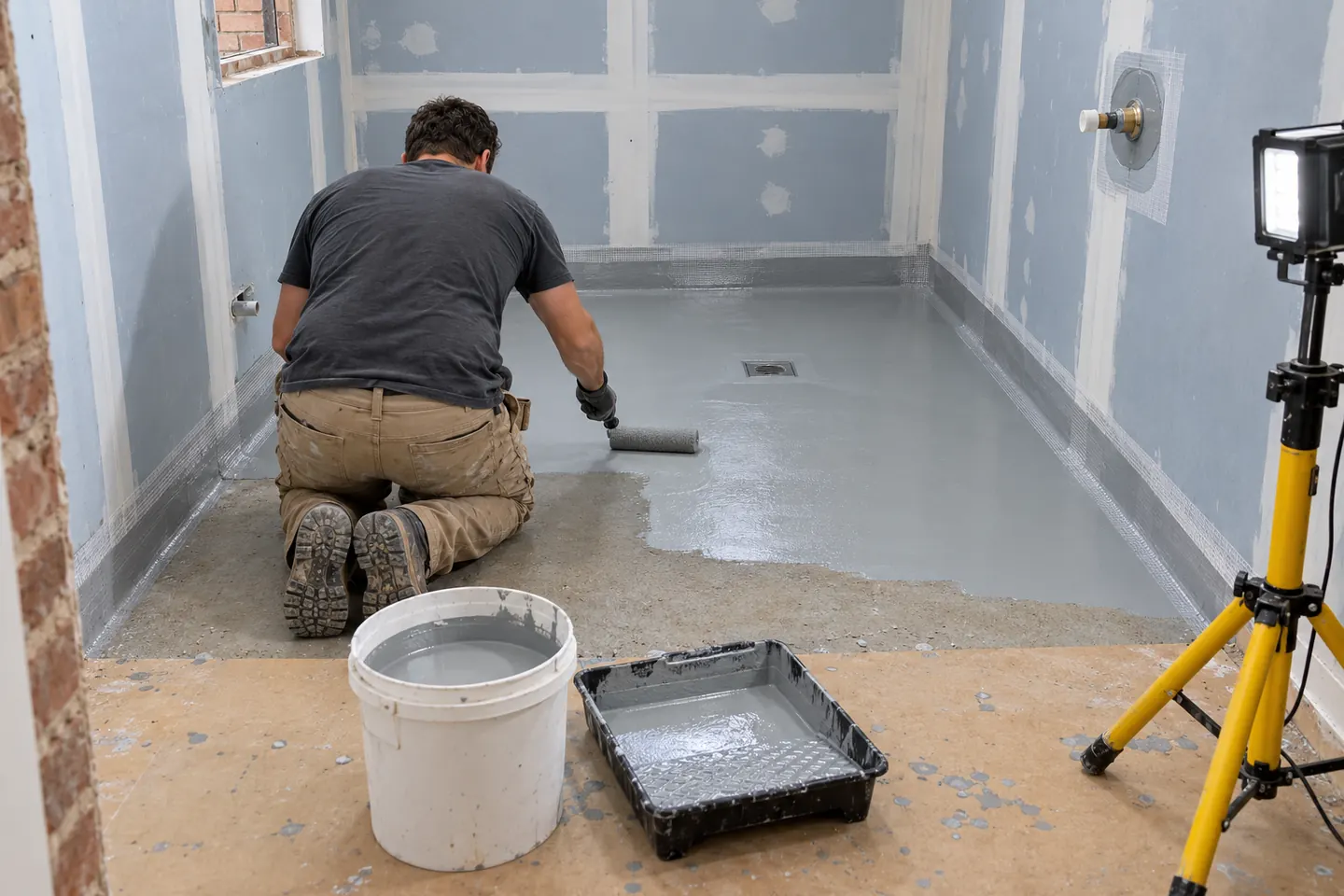
Waterproofing & Tiling
Membrane to the current standard, floors set to fall, and a tile set-out worked out before the first cut.
See the detail -
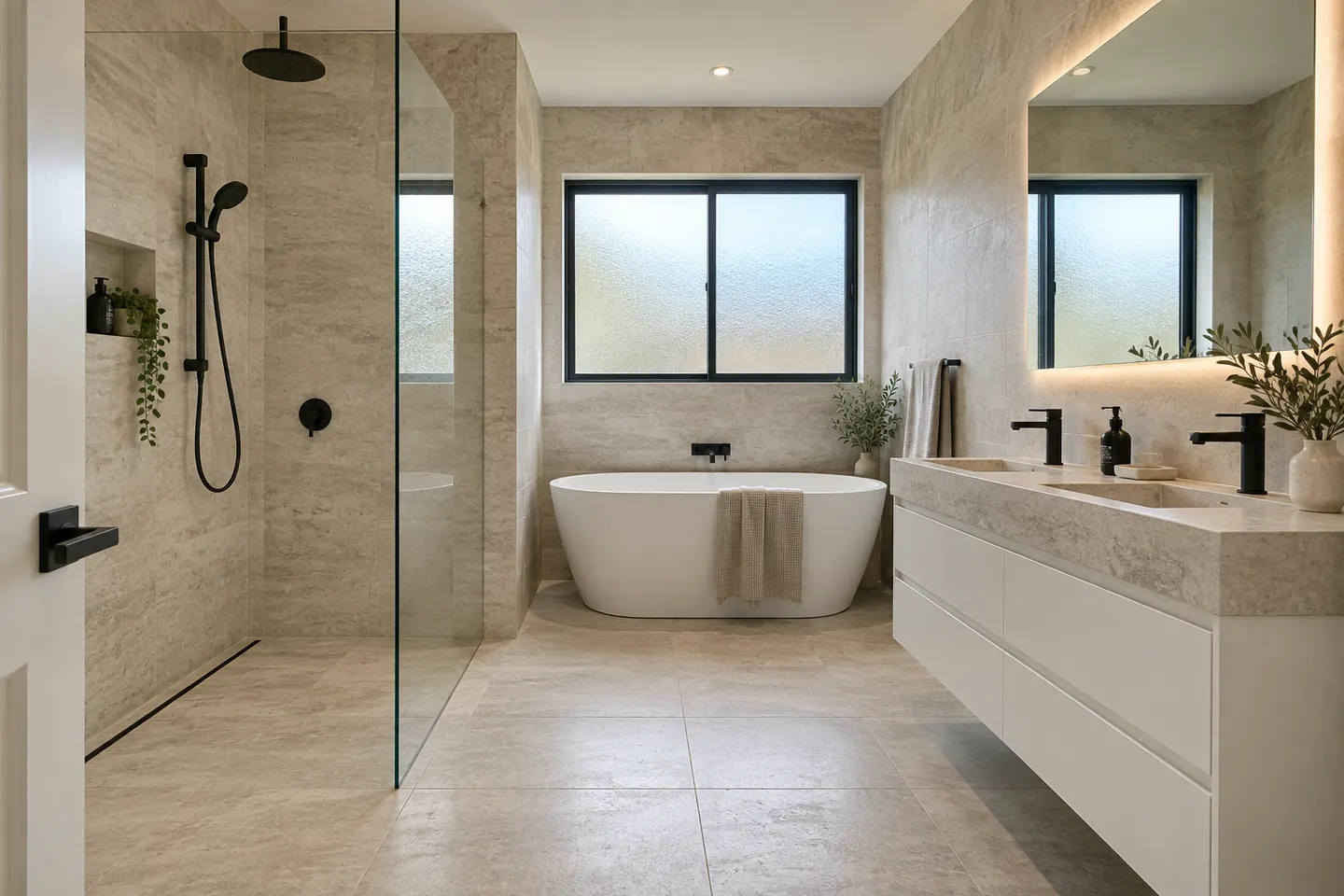
Rental Bathrooms
Hard-wearing, quickly turned-around bathrooms for investment houses, duplex halves and granny flats.
See the detail
Where we work
Six suburbs south of the Hume Highway
Each page covers the housing you actually find on those streets, and what it means for the bathroom.
Our standards
What we hold ourselves to
We Plan for the Only Bathroom
Most houses on these streets have one bathroom and a separate toilet. Before demolition starts you get the dates the room is out of action and a plan for where everyone showers.
Built for a Full House
Grandparents, parents and kids under one roof wear a bathroom out faster. Step-free entries, grab rail backing in the walls and finishes that survive daily scrubbing are costed in, not added later.
A Licensed NSW Builder
Renovation work is carried out in partnership with a licensed NSW builder. Licence and insurance details are provided on request — just ask on the call.
No Invented Reviews
This is a new listing, so there are no reviews on this site and none have been made up. Judge us on the measure and the written quote.
Finished rooms
Work handed back across the south-west
Photography shows the standard of finish we build to, not a specific customer's home.
Before you ring
Three pages worth five minutes
Questions people ask before they commit
Can the separate toilet be brought into the bathroom?
In a lot of post-war houses, yes. The dividing wall between the two rooms is usually non-structural, and removing it turns two cramped rooms into one that can hold a decent shower, a vanity with drawers and a toilet. What decides it is where the sewer line runs and whether a second toilet needs to stay somewhere for a full household.
What do you do about the old steel bath?
You can keep it or lose it. An enamelled pressed-steel bath from the 1960s is often sound under the chips, and re-using it saves money and a day of work. Most families with small children keep a bath somewhere in the house; households with teenagers usually take the space back for a bigger shower.
Our house is from the 1960s. Should we worry about asbestos?
It is worth testing rather than worrying. Houses built or altered before about 1990 can contain asbestos, most commonly in fibre cement wall and ceiling sheeting and in some older floor coverings. A test is arranged before anything is cut, and if a positive comes back, licensed removal is quoted separately so you can see exactly what it costs.
Do we need council approval?
Renovating inside an existing bathroom usually does not need a development application. Adding a bathroom, changing drainage or altering the structure can, and for granny flats and duplexes there is a separate approval path. We flag what applies to your job at the measure so nothing stalls halfway through.
Who actually carries out the work?
Renovation work is carried out in partnership with Coastal Renovation Group, a licensed NSW builder. Licence and insurance details are provided on request.